What is laminated glass retrofit?
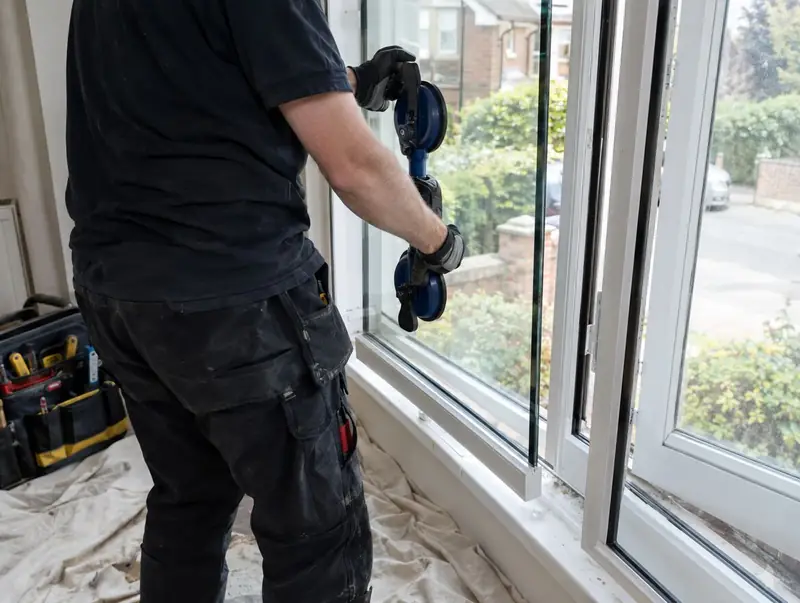
A laminated glass retrofit replaces the glass in frames you already have with laminated glass or laminated sealed units, so an existing building gets much more resistance to break-in without the cost and disruption of new windows. It suits homes, offices and shops where the frames are still sound.
New windows are expensive and disruptive, and many frames have years of life left. A retrofit keeps them and changes only the glass. The work starts with a survey of each frame: its material and condition, the depth of the glazing rebate, whether the beads are inside or outside, and whether hinges and stays will carry a slightly heavier pane. Frames that cannot take laminated glass safely are flagged before anything is ordered.
We then make laminated panes or units to measure and fit them room by room, so a building can stay in use. Retrofits are often done in phases, starting with ground-floor and hidden elevations. For businesses, we can schedule work around opening hours and give you a pane-by-pane record of what was fitted, which is useful for insurers and future maintenance.
How much does laminated glass retrofit cost?
Our guide range is £174 to £534 including VAT (£145 to £445 plus VAT) per pane, supplied and fitted. The exact figure depends on size, glass makeup, frame condition and access, and your fixed price is confirmed in writing after the free survey. See all glass prices.
Specification and options
- Survey of every frame before ordering
- Laminated single panes or laminated sealed units
- Matched to existing rebate depth and beads
- Hinge, stay and roller adjustment after fitting
- Security tape and bead clips where needed
- Phased work by elevation or floor
- Pane-by-pane record of glass fitted
- Frames, finishes and locks unchanged
Where laminated glass retrofit is used
- Homes with sound uPVC or aluminium windows
- Offices with older glazing
- Shops wanting more security without a new frontage
- Blocks of flats with communal glazing
- Buildings where frames are too new to replace
What to decide before you order
Which elevations first
Ground-floor, rear and hidden glass carries most of the risk, so it usually comes first.
Class of glass
P2A suits most homes and offices. Shops and cash areas may need P4A or anti-bandit classes.
Frame condition
If a frame is too shallow, damaged or weak, we will say so rather than fit heavier glass into it.
Phasing and budget
Retrofits phase easily. You can upgrade the riskiest panes now and the rest later.
Rules across the UK
Safety glazing, building regulations, planning and listed building rules differ between England, Wales, Scotland and Northern Ireland. These are the points most relevant to laminated glass retrofit; local pages show the version for your nation.
Replacing glass in an existing frame
Replacing only the glass or sealed unit in an existing frame is generally treated as a repair in England rather than notifiable building work. Replacing a whole window or door is notifiable and is normally certified through a competent person scheme or approved by building control. Either way, new glass in a critical location should still be safety glass.
Safety glass in critical locations
In England, section 5 of Approved Document K treats glazing in doors and in side panels within 300 mm of a door edge, from floor level up to 1,500 mm, and any other glazing below 800 mm, as a critical location. Glass there should break safely, be robust, or be guarded. Laminated or toughened glass meeting BS EN 12600 class 3 is the usual answer, rising to class 2 for door and side-panel panes wider than 900 mm.
Listed buildings and conservation areas
In England, listed building consent from the council may be needed to replace historic glass such as crown or cylinder glass, or to alter glazing bars, sashes and frames. Historic England publishes guidance on traditional windows. Secondary glazing and window film are often easier to agree because they can be removed later, but the council's conservation officer makes the decision.
How it works
Tell us what needs securing
Use the guide price tool or form, or call. Pane sizes and a few photos help us give a guide figure straight away.
Free survey
A surveyor measures each pane, checks the existing glass, frame and beads, and talks through the rating that suits the risk.
Fixed price in writing
You get a written quote listing each pane, the glass type and class, the price and the lead time. Nothing is ordered until you accept.
Made to measure and fitted
Glass is made to order and fitted by glaziers working under our contract with you, then cleaned, checked and explained.
Laminated glass retrofit: questions
How much does a laminated glass retrofit cost?
Most retrofits cost from £145 to £445 plus VAT (£174 to £534 inc VAT) per pane supplied and fitted, depending on size, class and whether panes are single or sealed units. Your fixed price follows a free survey.
Is retrofitting cheaper than new windows?
Usually, yes, because frames, plastering and making good are not involved. It only makes sense where the frames are sound.
Will laminated glass fit my frames?
Most modern frames can take a laminated unit of the same overall thickness. We check the rebate depth and beads at the survey.
Do I need permission to change the glass?
Changing glass in existing frames is generally treated as a repair. Listed buildings may still need listed building consent, so check with the council.
Can you do the work in phases?
Yes. Many customers start with the most exposed windows and do the rest later.
Will the windows look different?
No. The frames stay and the new glass is clear, unless you choose an obscure or tinted finish.
Find laminated glass retrofit near you
Choose your county or region for local information and the rules that apply where you are.
England
- Bedfordshire
- Berkshire
- Bristol
- Buckinghamshire
- Cambridgeshire
- Cheshire
- Cornwall
- Cumbria
- Derbyshire
- Devon
- Dorset
- Durham
- East Riding of Yorkshire
- East Sussex
- Essex
- Gloucestershire
- Greater London
- Greater Manchester
- Hampshire
- Herefordshire
- Hertfordshire
- Isle of Wight
- Kent
- Lancashire
- Leicestershire
- Lincolnshire
- Merseyside
- Norfolk
- North Yorkshire
- Northamptonshire
- Northumberland
- Nottinghamshire
- Oxfordshire
- Rutland
- Shropshire
- Somerset
- South Yorkshire
- Staffordshire
- Suffolk
- Surrey
- Tyne and Wear
- Warwickshire
- West Midlands
- West Sussex
- West Yorkshire
- Wiltshire
- Worcestershire
Wales
Scotland
- Aberdeen, Aberdeenshire and Moray
- Highland
- Dundee and Angus
- Perth and Kinross
- Fife
- Edinburgh and the Lothians
- Forth Valley
- Glasgow and Clyde
- Lanarkshire
- Ayrshire
- Argyll and Bute
- Dumfries and Galloway
- Scottish Borders
- Orkney, Shetland and the Western Isles