What is the price of blast-resistant glazing in Cumbria?
Guide prices for blast-resistant glazing in Cumbria are £450 to £1,495 plus VAT (£540 to £1,794 inc VAT) per m² for supply and fitting. We confirm a fixed price in writing after a free survey, before any glass is ordered.
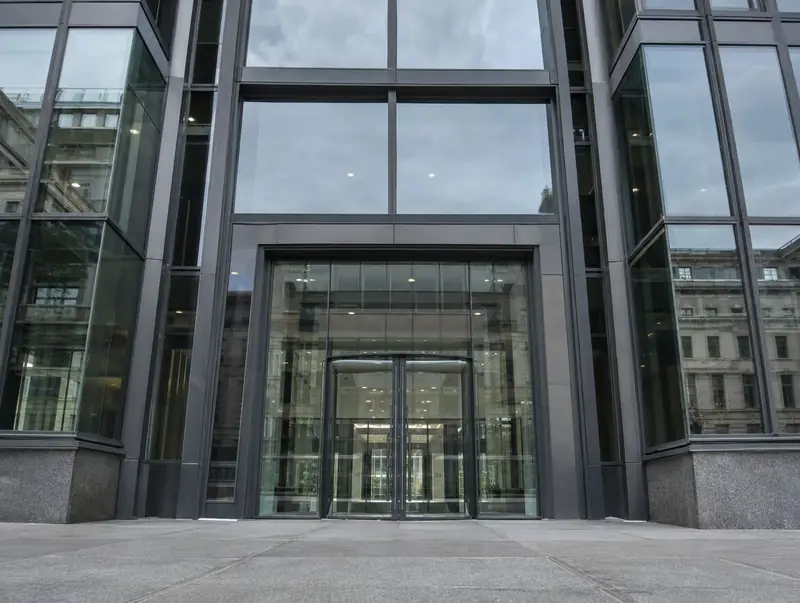
Blast-resistant glazing is laminated glass fitted in a frame and fixing system designed to stay in the opening, or fail safely, when hit by the pressure wave from an explosion. Its purpose is to stop glass becoming high-speed fragments, which cause most injuries in a blast, and it is designed from a threat assessment rather than chosen off the shelf.
Specification at a glance
- Manufacturer's test evidence supplied with your quote
- Sealed units with a laminated inner pane
- Anti-shatter film with edge-retention systems for existing windows
- Work planned from the threat assessment and engineer's design
- Blast-resistant net curtains as a fragment-catching layer
- Glazing classed to BS EN 13541 or tested to ISO 16933 and 16934
Covering Cumbria
We can arrange surveys and fitting anywhere in Cumbria, including Carlisle and Barrow-in-Furness. Dates depend on installer availability. Choose your town below for local details.
Cumbria's stone-built towns such as Kendal, Keswick and Penrith, Carlisle's Victorian centre and coastal Whitehaven and Barrow-in-Furness all take wet, windy Atlantic weather.
This glazing suits:
- Offices in city centres and near potential targets
- Government, council and civic buildings
- Embassies, courts and police premises
- Transport hubs, venues and stadium frontages
Towns in Cumbria
Questions we will ask at the survey
Frame and fixings
The frame must hold the glass and the fixings must hold the frame. Upgrading glass alone can move the failure to the frame.
New glazing or retrofit
New facades can be designed as a full tested system. Existing buildings often get film with edge retention, internal secondary glazing or curtains instead.
Building regulations and safety in England
Listed buildings and conservation areas
In England, listed building consent from the council may be needed to replace historic glass such as crown or cylinder glass, or to alter glazing bars, sashes and frames. Historic England publishes guidance on traditional windows. Secondary glazing and window film are often easier to agree because they can be removed later, but the council's conservation officer makes the decision.
Planning permission
Changing the glass in an existing window or shopfront does not usually need planning permission, because the building looks much the same afterwards. A new or altered shopfront, or security features added to the outside of a building, may need planning permission from the council. Bollards or barriers on the pavement need the highway authority's consent, which is normally the council.
How it works
- Tell us about the glazing
- Survey, measuring and frame check
- Written quote naming the glass
- Fitting and handover
Blast-resistant glazing in Cumbria: questions
Which towns in Cumbria do you cover?
We can arrange work anywhere in Cumbria, including Carlisle, Barrow-in-Furness, Kendal, Whitehaven and Workington, and in other towns across the area.
Who decides what level of protection we need?
Your security adviser, insurer or a blast engineer, based on a threat and risk assessment. Government guidance from the National Protective Security Authority covers the approach.
What does ER1 to ER4 mean?
They are explosion-pressure classes in BS EN 13541. Glass samples are tested in a shock tube, with higher classes meaning higher pressures. The class applies to the glass, so the frame must be designed to match.
Does blast glazing affect fire doors and fire screens?
Glass in fire-rated doors and screens must stay fire-rated glass tested in that system. Blast measures there need fire-rated products or a specialist design, never a swap to plain laminated glass.
Other glazing in Cumbria
- Security glazed doors and screens
- Security double-glazed units
- Counter and reception security screens
- Security window film
- Anti-ram-raid glazing
- Patio and bifold door security glass
Get a guide price now and book your free survey in Cumbria.